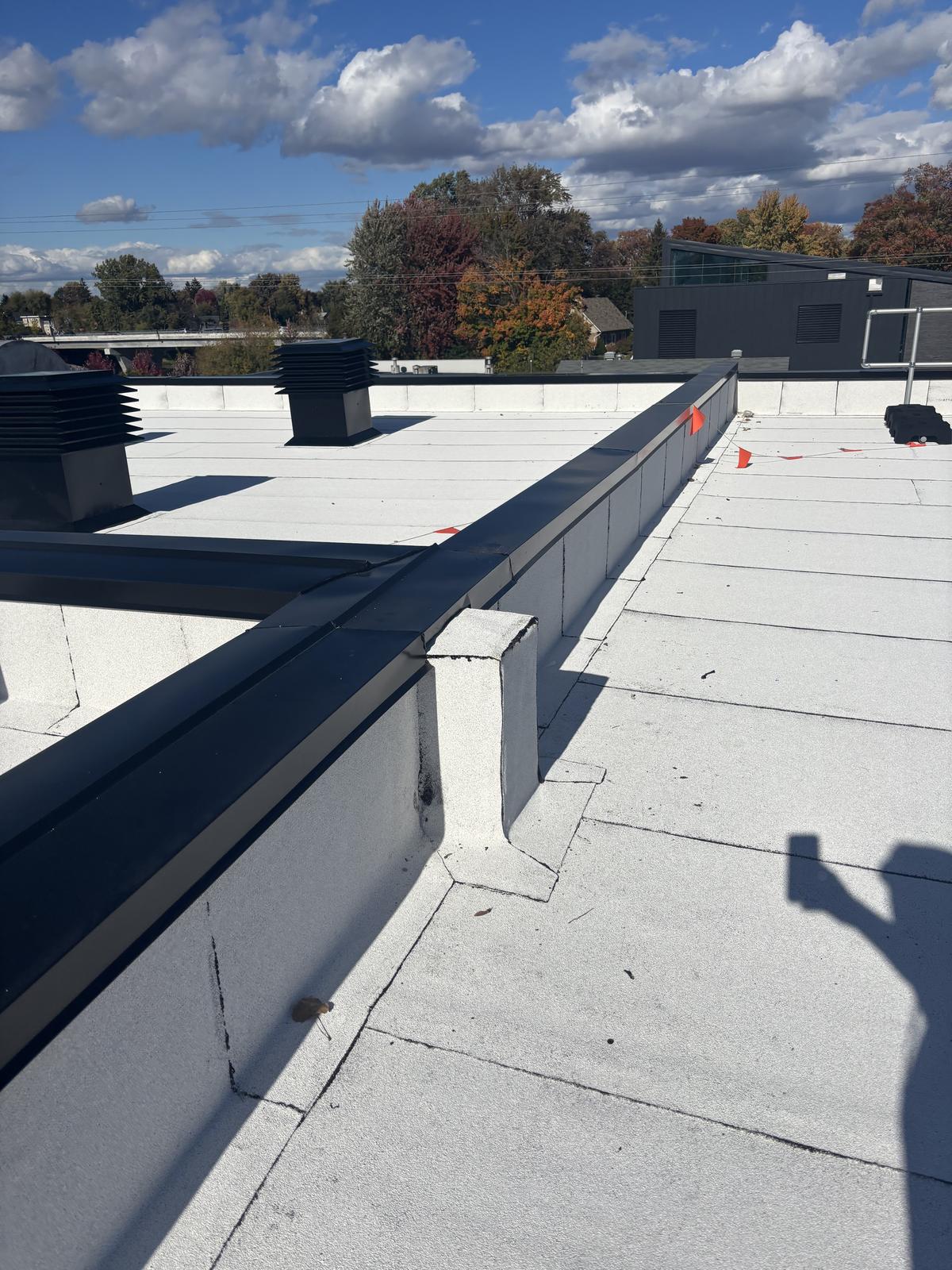
The manufacturer promises 30 years. The roofer says 25. Your neighbour had to redo their roof after 19 years. Who’s right? All of them, really, but none of those figures matches exactly what your roof will live through in Montreal. The real lifespan of an asphalt shingle in Quebec rarely exceeds 20 to 22 years, and several local factors shorten it further.
Understanding this real lifespan isn’t pessimistic: it’s planning. A roof replaced at the right time costs 30 to 40% less than a roof replaced in an emergency after an infiltration, not counting the interior damage.
The essentials in 30 seconds
- The average real lifespan in Quebec is between 18 and 22 years, regardless of the advertised warranty.
- The Quebec climate (freeze-thaw, UV, snow) reduces the theoretical longevity of shingles by 15 to 25%.
- The first signs generally appear from the 15th year on: curling, granule loss, discoloration.
- Replacing before failure costs 30 to 40% less than waiting for the infiltration.
Why the Quebec Climate Shortens the Life of Your Shingles
A standard asphalt shingle is designed to withstand about 50 freeze-thaw cycles per year. In Montreal, your roof goes through more than 100. Each cycle expands then contracts the asphalt, microscopically loosens the granules, and fatigues the adhesives holding the shingles together. After 15 winters, you’re already at 1,500 cumulative cycles — double what a typical warranty anticipates.
Add UV rays. The south slope of a Montreal roof receives the equivalent of 1,600 hours of sunshine per year. This continuous exposure oxidizes the asphalt, weakens the binders and draws the oils to the surface. The result: the shingle loses its flexibility and becomes brittle. A brittle shingle no longer self-seals properly after a strong wind and lets water through at the slightest lift.
According to Les Couvreurs Duro Toit, across 142 roofs inspected in west Montreal in 2025, the average age of shingles replaced due to a leak was 19.4 years. A figure consistent with what the Quebec industry has observed for ten years, and well below the 25 to 30 years promised on the packaging.
| Roof age | Typical condition in Quebec | Recommended action |
|---|---|---|
| 0 to 8 years | Full shingles, granules in place, optimal watertightness | No action, annual visual inspection |
| 9 to 15 years | Slight granule loss, some flashing to redo | Professional inspection every 2 years |
| 16 to 20 years | Marked discoloration, curling, granules in gutters | Annual inspection, budget for replacement |
| 21 years and over | High infiltration risk, loss of watertightness | Replacement to plan within 12 to 24 months |
The Signs You Should Start Budgeting for Replacement
A roof never dies all at once. It sends signals for 18 to 30 months before the first leak. Learning to read them gives you valuable room to shop around, compare and plan.
- Granules accumulating in the gutters and at the foot of downspouts: the earliest and most reliable sign.
- Shingles curling up at the corners, especially on the south slope — a sign of lost elasticity and excessive attic heat.
- Discoloration in irregular patches: the shingle is ageing, but above all, some areas bake more than others.
- Moss, lichen or black streaks on the shaded slopes: surfaces that retain moisture and accelerate deterioration.
- Metal flashing coming loose or rusting: often the first entry point for water, even before the shingles give way.
Beyond two or three of these signs at once, don’t wait to request an inspection. An RBQ roofer will tell you in 30 minutes whether you have 5 years left or 18 months — and that difference completely changes your financial strategy.
When to Plan the Replacement in Montreal
The right time to redo your roof isn’t when it leaks. It’s between the 18th and 22nd year, ideally at the start or end of the season (May–June or September–October), when roofers have availability and materials aren’t in short supply.
The demand peak in Montreal runs from mid-June to mid-August. During that period, prices climb 8 to 15%, lead times stretch to 6–10 weeks, and the best roofers are already booked. Conversely, planning in early spring or in autumn makes it possible to obtain three comparable quotes, to negotiate technical details (underlayment, ventilation, warranty) and to secure an experienced crew.
For Montreal homeowners, it’s also the moment to verify compliance with the Quebec Construction Code — notably the requirement for a waterproofing membrane over the first metre of eaves and the obligation of adequate attic ventilation. An RBQ-certified roofer automatically includes these points in their quote, whereas a non-certified installer may cut these corners to offer an attractive but non-compliant price.
Frequently asked questions
How long do asphalt shingles really last in Quebec?
Between 18 and 22 years on average, despite the 25- to 30-year warranties advertised by manufacturers. The Quebec climate cuts the theoretical lifespan by 15 to 25%.
Can new shingles be installed over the old ones?
The Quebec Construction Code allows it, but only one superimposed layer maximum and only if the structure can support it. Most roofers advise against this practice.
Which shingles fail first on a roof?
Those on the south slope, exposed to intense sun, and those on the ridges and corners, subjected to wind. They can age 30% faster than the rest of the roof.
Take action with Les Couvreurs Duro Toit
Is your roof approaching 18 years? Are you spotting granules in your gutters? Les Couvreurs Duro Toit perform a detailed inspection and provide a clear report with an estimate of the remaining lifespan. Plan your replacement before the emergency.

More posts
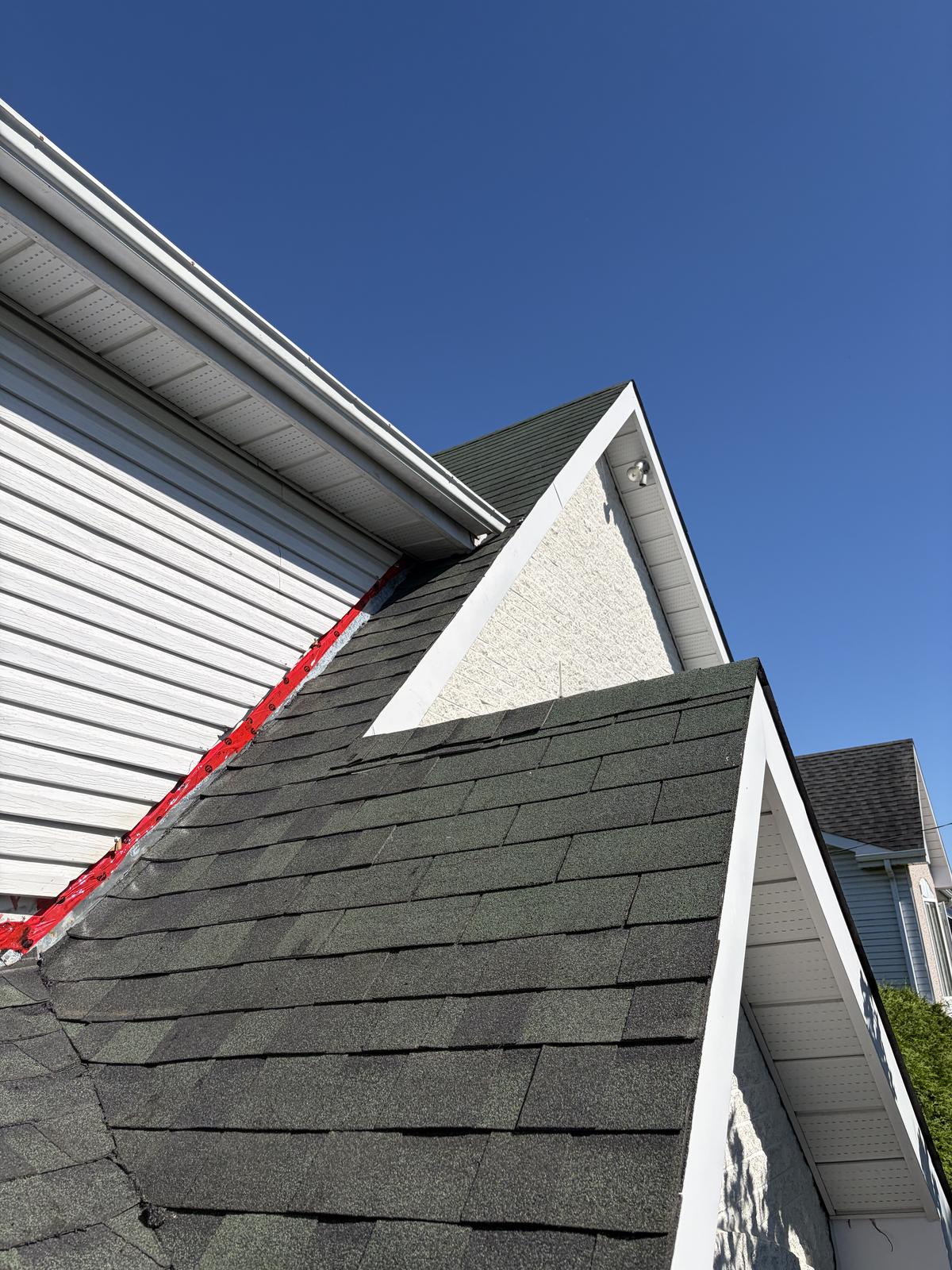
Asphalt Shingle Roof Repair in Mirabel, Roof Deck Replaced
6 November 2026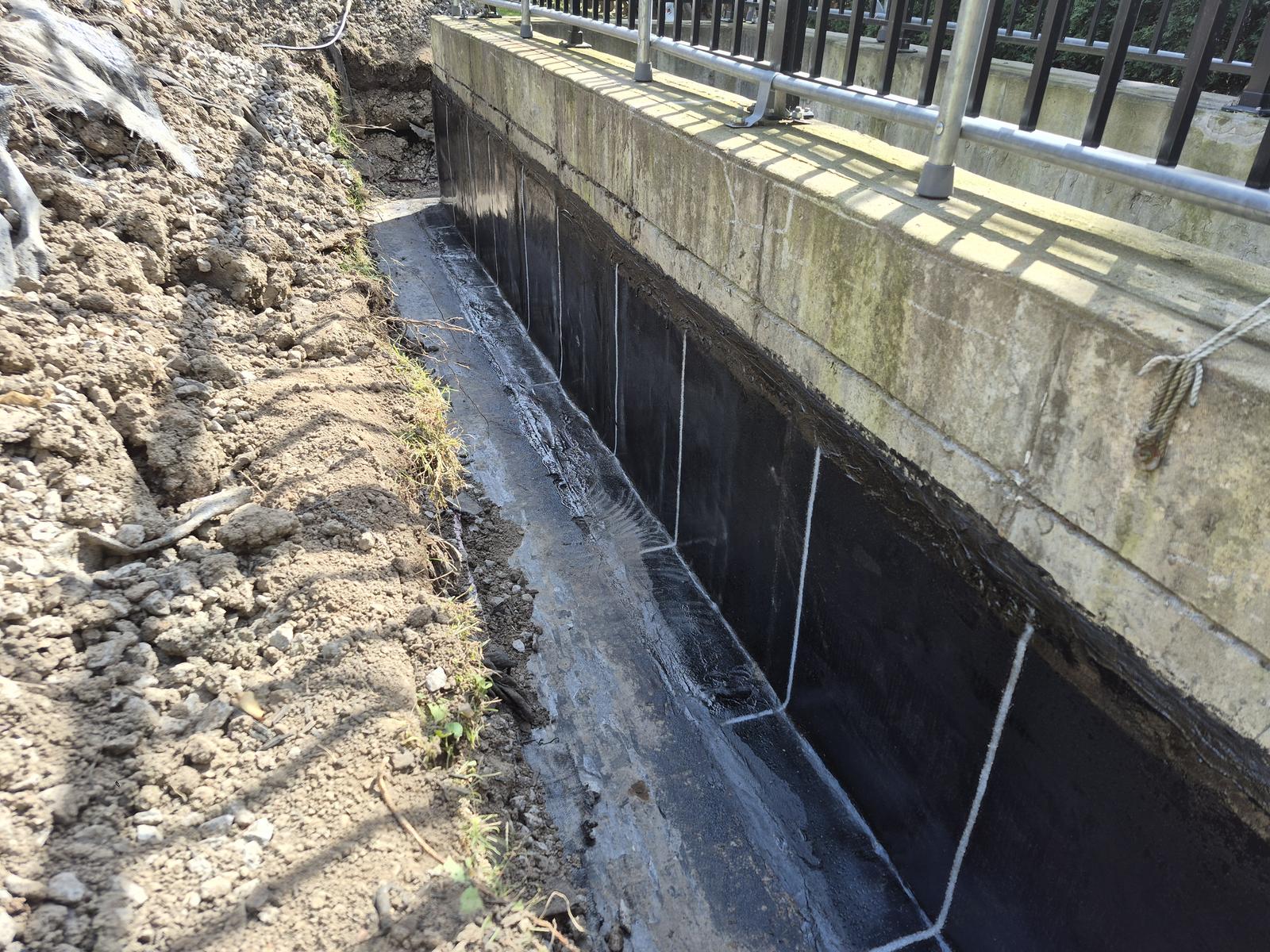
Waterproofing a Underground Garage Wall in Laval