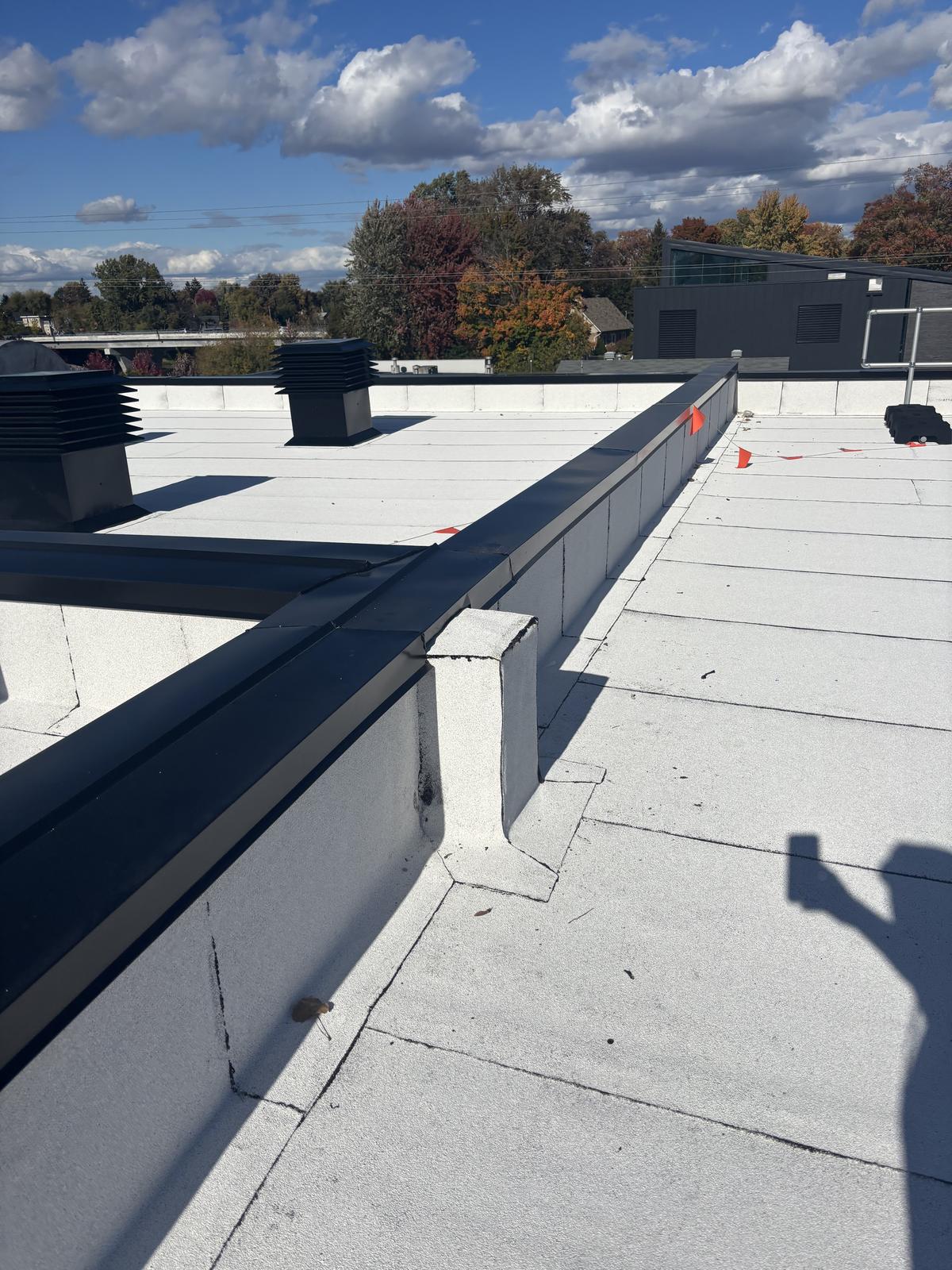
Your flat roof silently bears tonnes of snow, freezing rain, and scorching heat. In Montreal, climate extremes rank among the harshest in North America. Without rigorous maintenance, a small oversight can quickly escalate into a costly water infiltration — or even a complete membrane replacement. This guide gives you the keys to acting at the right time and protecting your investment for the long term.
The Essentials in 30 Seconds
- Inspect your flat roof twice a year: spring and fall.
- Clear drains and membranes after every Montreal winter.
- Quickly identify blisters, cracks, and areas of standing water.
- Regular maintenance can multiply your roof’s lifespan by two or three times.
Why Flat Roof Maintenance Differs from a Sloped Roof
A sloped roof evacuates water naturally through gravity. A flat roof relies on a precise drainage system and a waterproof membrane to accomplish the same task. When that system is compromised — leaves clogging the drain, membrane cracked by freeze-thaw cycles, improperly sealed flashings — standing water becomes your worst enemy.
In Montreal, the freeze-thaw cycle can occur more than 50 times in a single winter. Each time, water that has seeped into a micro-crack freezes, expands, and widens the defect. That is precisely why preventive maintenance always costs far less than reactive repairs.
| Task | Frequency | Priority |
|---|---|---|
| Full visual inspection | 2x / year (Spring & Fall) | High |
| Drain cleaning | 2x / year + after storms | High |
| Flashing check | 1x / year | High |
| Controlled snow removal | After heavy snowfall | CRITICAL |
| Professional RBQ inspection | 1x / year | Recommended |
| Anti-moss treatment | Every 2–3 years | Moderate |
Warning Signs to Watch for Absolutely
Here are the concrete signs indicating your flat roof needs immediate attention:
- Standing water more than 48 hours after the last rainfall
- Blisters or bubbles on the membrane — a sign of trapped moisture
- Cracks or separations around flashings, chimneys, and ventilation outlets
- Moss or vegetation on the surface (acidity attacks the membrane)
- Moisture stains on interior ceilings or a mildew smell
- Granular membrane that is deteriorating — a sign of accelerated aging
The 5 Steps of Effective Maintenance
1. The Spring Visual Inspection
As soon as the snow melts, get onto the roof (with appropriate safety equipment) and examine the entire surface. Look for areas of delamination, open joints, and debris accumulation. Note everything you observe, ideally with dated photographs.
2. Cleaning Drains and Gutters
Clogged drains are the number one cause of flat roof infiltrations in Montreal. Remove leaves, gravel, and sediment. Pour a bucket of water to confirm that flow is clear. On a bituminous roof, make sure the debris guard is in place and clean.
3. Checking the Flashings
Metal flashings ensure watertightness where the membrane meets a vertical element: chimney, parapet, skylight. Inspect the sealant joints and replace them if you notice cracks or separations. Infiltrations often start here.
4. Winter Snow Removal
The snow load on a flat roof can exceed structural limits during heavy snowfall. Remove snow while always leaving a protective layer of 5 to 10 cm to avoid damaging the membrane. Use a squeegee with a rubber blade — never a metal one.
5. Annual Professional Maintenance
An inspection by a certified roofer once a year allows you to detect problems invisible to the naked eye, receive a written report, and maintain the validity of your manufacturer’s warranty. At Les Couvreurs Duro Toit, we offer maintenance packages adapted to every type of Montreal membrane.
Montreal: Why the Climate Demands Extra Vigilance
The Quebec Building Code requires flat roofs on residential and commercial buildings to withstand snow loads calculated according to the climate zone. In Montreal, that design load is among the highest in Canada. Neglected maintenance can compromise the load-bearing structure of the building, create personal liability, and void your home insurance.
Moreover, bituminous membranes — very popular in Quebec — are particularly sensitive to extreme thermal movements. Experienced roofers in northern climates know the products and techniques that withstand these conditions. That is the local expertise you get with Les Couvreurs Duro Toit.
Frequently Asked Questions
How often should a flat roof be inspected in Montreal?
At least twice a year: once in spring to assess winter damage, and once in fall before the first snowfall. After an exceptional weather event (ice storm, high wind, hail), a one-time inspection is also recommended.
Can flat roof maintenance be done yourself?
Drain cleaning and surface visual inspection are accessible to an informed homeowner. However, any work on the membrane — repairing blisters, replacing flashings, applying waterproofing products — must be entrusted to an RBQ-certified roofer to preserve warranties and ensure safety when working at height.
How much does annual flat roof maintenance cost?
Cost varies with roof size and condition, but an annual preventive maintenance package in Montreal typically runs between $300 and $800. That is a minimal investment compared to the cost of a full membrane replacement, which can exceed $10,000.
Don’t let the next winter make the decision for you. Contact Les Couvreurs Duro Toit today to schedule your maintenance inspection and gain complete peace of mind.

More posts
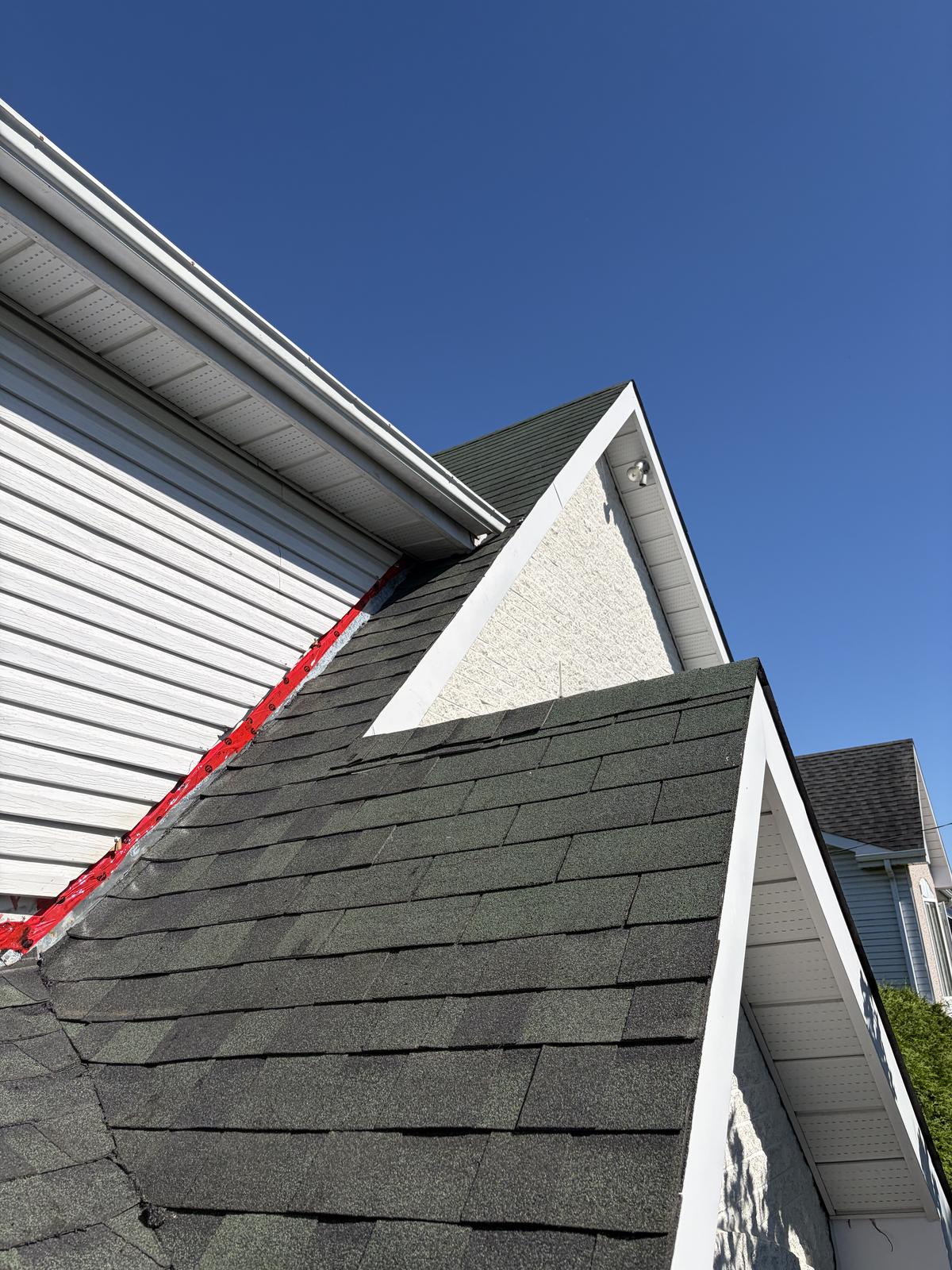
Asphalt Shingle Roof Repair in Mirabel, Roof Deck Replaced
6 November 2026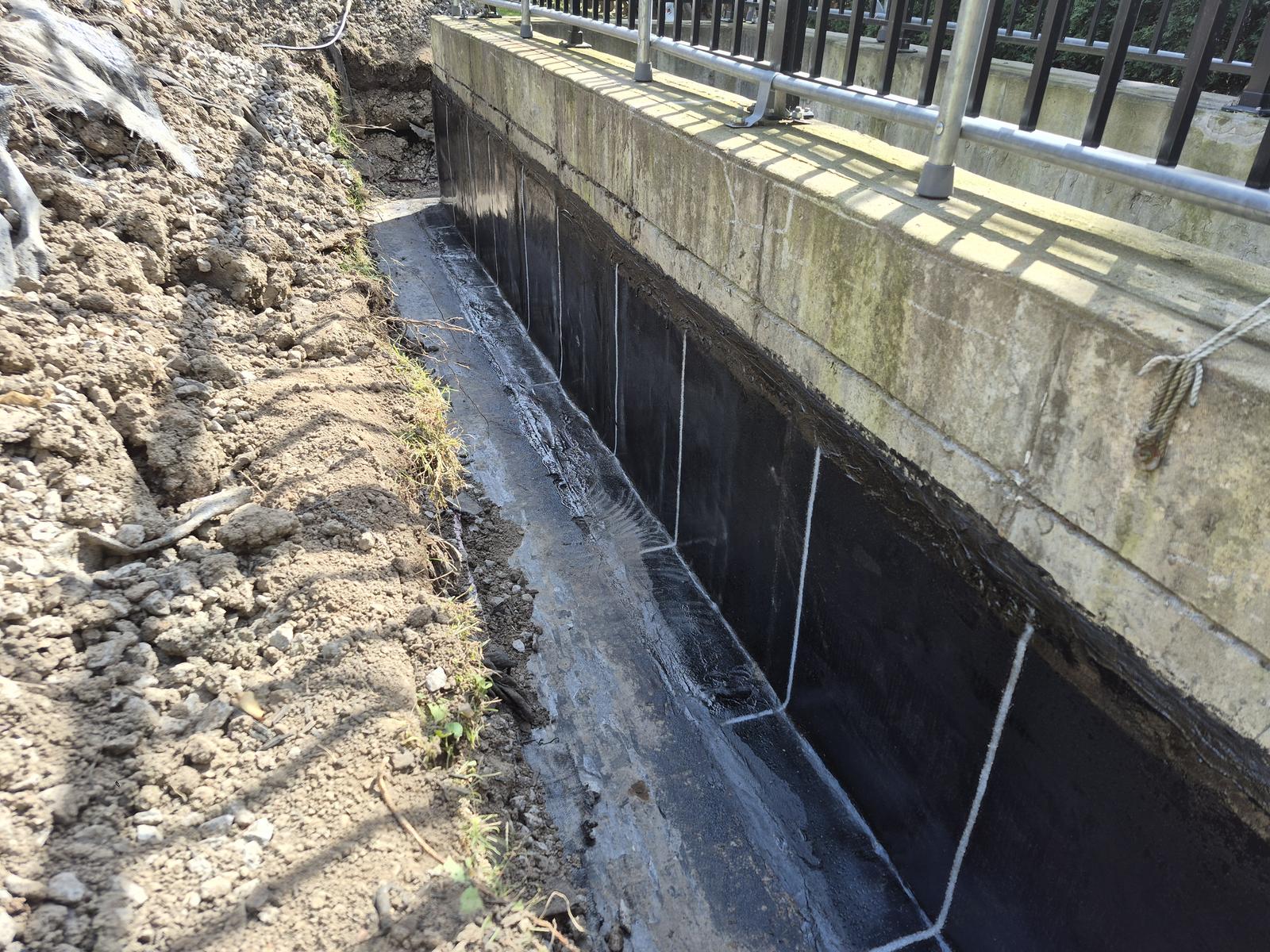
Waterproofing a Underground Garage Wall in Laval