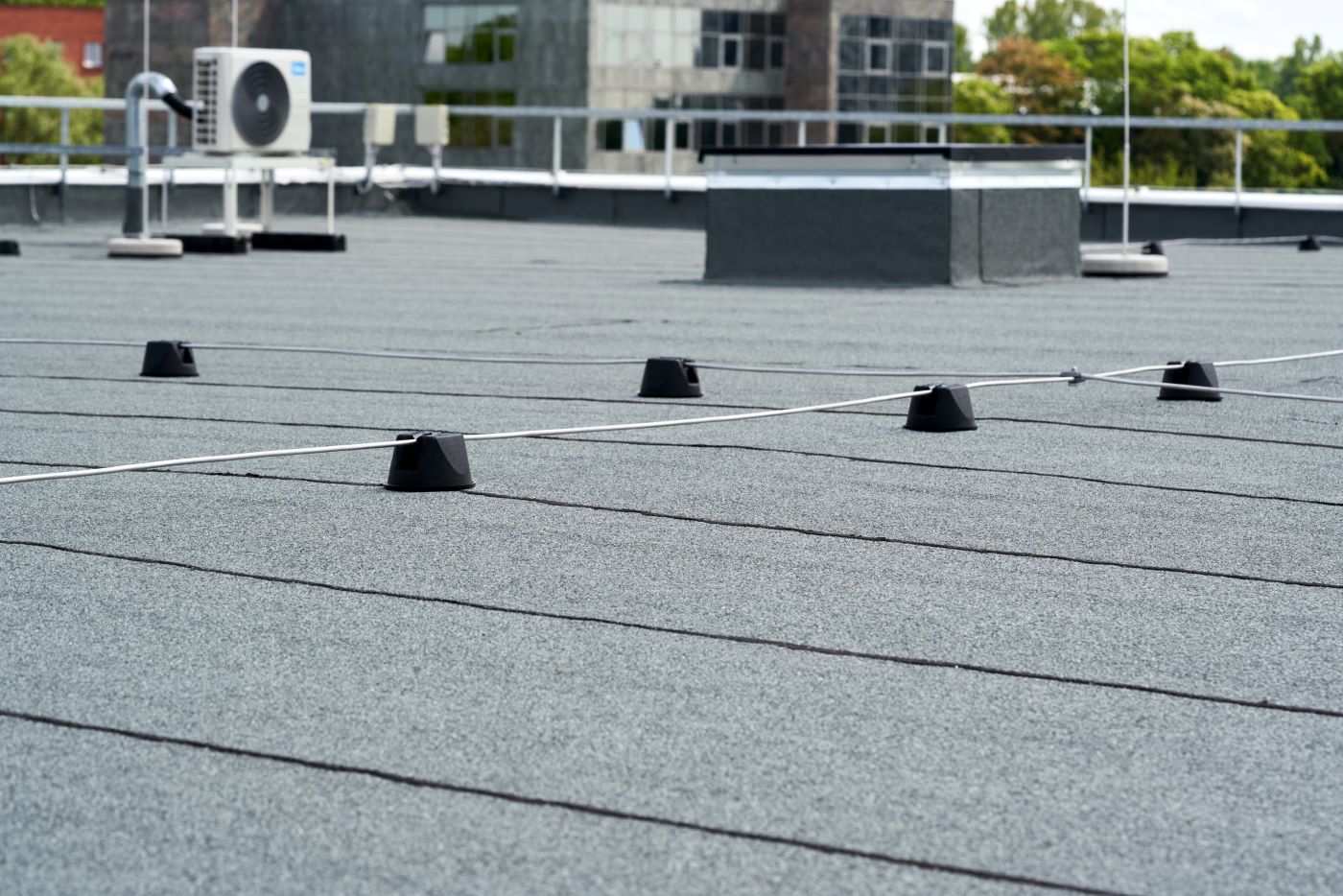
Are you planning to redo your roof, extend your home, or simply understand why your neighbour opted for a white, flat roof while you keep your traditional gables? The choice between a flat and a sloped roof is neither a matter of fashion nor a simple aesthetic preference. It’s a technical decision that commits 25 to 30 years of your property.
In Montreal, both options coexist in almost every neighbourhood — one duplex out of two in Rosemont sports a flat roof, while most bungalows in Anjou or Pointe-aux-Trembles have kept their slopes. Before deciding, you need to compare real lifespan, total cost, maintenance and compatibility with the Quebec climate.
The Essentials in 30 Seconds
- Flat roof: 20 to 30 years with an elastomer membrane, more demanding maintenance, ideal for a terrace and solar panels.
- Sloped roof: 20 to 25 years with asphalt shingles, natural snow runoff, moderate maintenance.
- Installation cost gap: roughly 25 to 30% more for a quality flat roof.
- The right choice depends on the existing structure, the neighbourhood and the use you want to make of the surface
The Technical Logic Behind Each Roof Type
A sloped roof works by gravity. Water, snow and debris slide off or drain naturally toward the gutters. Asphalt shingles overlap like fish scales: they aren’t watertight on their own, but the overall system channels water away before it can penetrate. It’s a proven system used for over 150 years in North America, optimized for high-precipitation climates.
A flat roof, despite its name, is never perfectly horizontal. It has a technical slope of 1% to 2% toward the drains. Its watertightness doesn’t rely on overlap, but on a continuous membrane — two-ply elastomer, TPO or EPDM — that forms a true waterproof skin. This membrane must withstand UV rays, thermal swings of more than 70°C between January and July, and the weight of accumulated snow.
According to Les Couvreurs Duro Toit, nearly 6 roofs out of 10 installed in the Petite-Patrie area in 2025 were flat roofs with an elastomer membrane. The reason: these older neighbourhoods have an architectural fabric that lends itself poorly to slopes, and the modern membrane now offers guarantees comparable to shingles.
| Criterion | Flat roof | Sloped roof |
|---|---|---|
| Average lifespan | 20 to 30 years (elastomer membrane) | 20 to 25 years (asphalt shingles) |
| Installation cost (typical home) | $11,000 to $18,000 | $8,500 to $14,000 |
| Annual maintenance | High: drain cleaning, inspection twice a year | Moderate: visual inspection, gutters |
| Fit with the Quebec climate | Excellent with a proper technical slope | Excellent, natural snow runoff |
| Development potential | Terrace, green roof, solar panels | Liveable attics, dormers |
How to Choose Based on Your Situation
The right choice doesn’t come out of a generic comparison table: it depends on your home, your neighbourhood and your 10-year plan. Here are the concrete criteria to review.
- Existing structure: redoing what already exists costs 30 to 40% less than changing the roof type. Framing designed for a slope doesn’t easily convert to a flat roof.
- Borough regulations: Plateau-Mont-Royal, Outremont and Old Montreal often impose heritage constraints. Check first.
- Intended use of the surface: a finished terrace, solar panels, a green roof? The flat roof opens up possibilities impossible with a slope.
- Maintenance budget: a flat roof requires an inspection twice a year and drain cleaning. If you travel or rent out your property, that’s a real constraint.
- Tolerance for hydraulic risk: a leak on a flat roof spreads laterally over several metres before appearing; on a sloped roof, it localizes more quickly.
An experienced roofer always starts with an assessment visit. This step, free with most reputable Montreal companies, makes it possible to cross-reference these criteria with the specifics of your building.
Why the Montreal Climate Changes the Equation
Montreal combines three climate constraints that few North American cities bring together: heavy snowfall (210 cm on average), multiple freeze-thaw cycles (more than 100 per winter), and humid summer heat regularly exceeding 30°C. Each of these constraints weighs differently on the two roof types.
For the flat roof, the number one challenge is winter drainage. Even an excellent membrane doesn’t forgive a drain blocked by ice: water builds up, weighs down the structure, and ends up migrating to the joints. That’s why Montreal roofers favour two-ply elastomer membranes torch-welded in place, which are more resistant to movement and more tolerant of persistent puddles than glued TPO membranes.
For the sloped roof, managing ice dams is the priority. Good attic ventilation and an Ice & Water Shield membrane over the first metre of the eaves radically change the real lifespan. In Montreal specifically, choosing a roofer familiar with both challenges — and RBQ-certified — is often worth more than the price gap between two quotes.
Frequently asked questions
Does a flat roof really last less long than a sloped roof in Montreal?
Not necessarily. A well-installed elastomer membrane lasts 25 to 30 years, as long as a shingled roof. The difference comes down to installation quality and maintenance.
Are flat roofs banned in some Montreal neighbourhoods?
No, but some boroughs require architectural integration (Plateau, Outremont). Check with your borough before any project.
Can a sloped roof be converted into a flat roof?
Technically yes, but the structural costs are significant (framing, drainage, permits). It is rarely worthwhile except for a full extension project.udden and accidental. Normal wear and lack of maintenance are excluded from most policies.
Torn between a flat and a sloped roof for your Montreal project? Les Couvreurs Duro Toit offer a free assessment visit and a detailed quote within 48 hours. Compare your options with full clarity before deciding.

More posts

Redoing Your Roof in Montreal: Permits, RBQ and the 5 Mistakes That Cost You
25 June 2026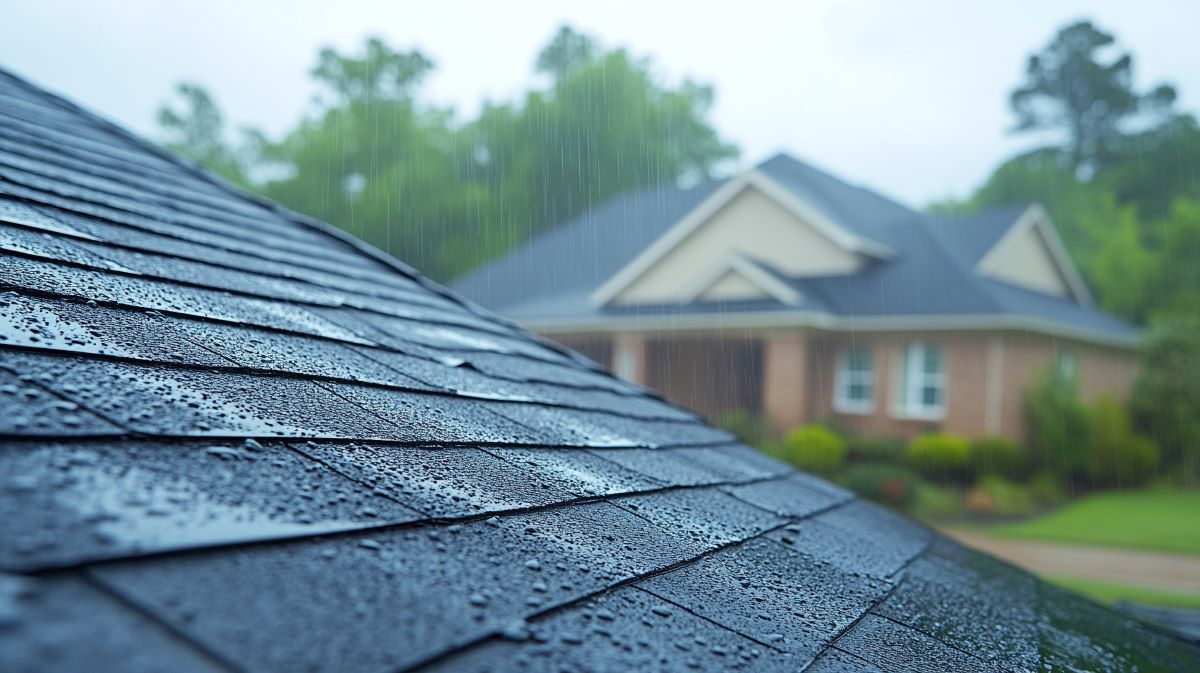
Roof Flashing: The Invisible Detail That Causes 80% of Infiltrations
16 June 2026