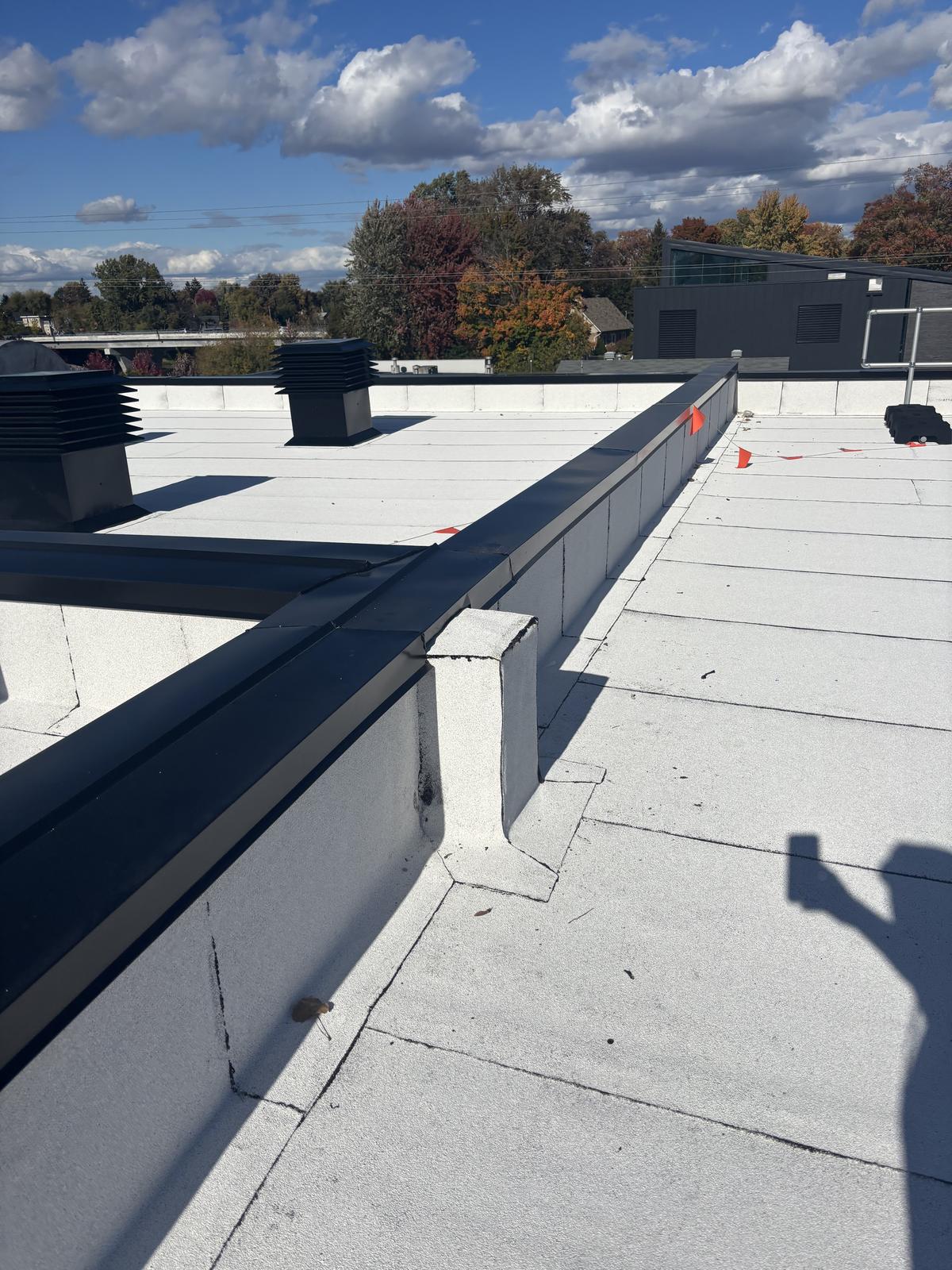
Every spring, hundreds of Montreal homeowners discover a brown ring on the ceiling, a window that weeps, or a shingle found in the yard. The thaw reveals what winter quietly damaged: ice dams, cracked flashing, shingles lifted by January winds. The worst part? Water can infiltrate for weeks before showing up indoors.
The good news: most of this damage leaves visible clues by the end of March. Spotting them quickly prevents a simple flashing repair from turning into a full replacement of ceiling, insulation and structure.
The Essentials in 30 Seconds
- The thaw exposes the damage caused by freeze-thaw cycles and ice dams.
- 4 key signs: ceiling stains, icicles at the eaves, lifted shingles and moisture around window frames.
- A visual inspection from the ground, from the street, is enough in 70% of cases to spot an emerging problem.
- Acting within 48 hours of discovery almost always keeps costs limited to the affected area.
Why Montreal Winters Specifically Weaken Your Roof
In Montreal, a roof goes through an average of 110 to 130 freeze-thaw cycles per winter. Each cycle expands then contracts the shingles, the metal flashing and the sealant joints. Over the years, this thermal gymnastics fatigues the materials: shingles lose their granules, nails back out, flashing detaches from the cladding.
Then there’s the ice dam phenomenon. When heat escapes from a poorly insulated attic, the snow melts above the slope, then refreezes at the cold eaves. The water held back by this ice barrier looks for a way through and ends up creeping under the shingles by capillary action. According to Les Couvreurs Duro Toit, nearly one spring infiltration out of two observed on their Montreal job sites in 2025 came directly from an ice dam formed in January or February.
The result: it isn’t the May rain that creates the leak, but the February snow that found its path. That’s why a roof that looked perfect in November can reveal a dozen defects as soon as the thaw is over.
| Sign on roof / ceiling | Likely winter cause | Immediate response |
|---|---|---|
| Brown stain on the ceiling | Infiltration through flashing or lifted shingle | Photograph it, contain the water, call a roofer |
| Massive icicles at the eaves | Ice dam formed by melt-and-refreeze | Don’t chip with a shovel; have it steam-cleared |
| Curled or torn shingles | Winter winds plus freeze-thaw cycles | Full visual inspection from the ground |
| Water beading on the window frame | Faulty air barrier or wall flashing | Document it, gauge the flow, act within 48 h |
The 4 Warning Signs to Inspect Starting Mid-March
You don’t need to climb onto the roof to spot most of the damage. A methodical inspection from the street, the backyard and the top-floor rooms covers 70% of the critical points.
- Stains, rings or blisters on the ceiling: a near-certain sign of an active infiltration, even if it feels dry to the touch.
- Lifted, curled or missing shingles: visible to the naked eye from the ground, especially on slopes exposed to the prevailing wind.
- Dull, cracked or detached flashing around chimneys, vent pipes and dormers: these are the first leak points in 80% of cases.
- Asphalt granules accumulating in the gutters and at the foot of downspouts: an indicator of advanced shingle wear.
Document each observation with a dated photo. This greatly simplifies a potential insurance claim and lets the roofer arrive with a clear idea of the work needed. Also inspect the top-floor window frames: localized moisture or slight warping of the wood often betrays a faulty wall flashing upstream.
Why Response Time Matters So Much in Montreal
The Montreal climate doesn’t forgive delays. Between the end of the thaw and the first steady rains of May, rarely more than four to six weeks pass. A minor infiltration found on March 20 can spread across an entire ceiling cavity before mid-May if nothing is done. Water migrates, insulation loses its properties, and mould settles in within 14 days once ambient humidity exceeds 60%.
Add to that the reality of the order book: Montreal roofers are overloaded from April to June. Booking an intervention by late March gives access to more flexible time slots, to materials that aren’t rationed, and often to better prices before the peak season. A targeted repair of one flashing and three shingles typically costs between $350 and $800; the same neglect left for six weeks can triple that amount.
Having your roof inspected by an RBQ-certified roofer before mid-April also means benefiting from a full diagnosis that includes an assessment of attic ventilation, the leading structural cause of ice dams. This is the moment when a few hundred dollars can save several thousand.
Frequently Asked Questions
My ceiling is dripping in spring: is it always the roof?
Not always, but in 8 cases out of 10 the leak comes from the roofing or the flashing. Attic condensation can also mimic an infiltration.
How long does it take to get an emergency roofer in Montreal?
During the thaw, expect 24 to 72 hours for a diagnostic visit. A temporary tarp can be installed more quickly.
Does insurance cover roof water damage?
Yes, if the damage is sudden and accidental. Normal wear and lack of maintenance are excluded from most policies.
A stain, a shingle on the ground, a drip on the ceiling? Don’t wait for the next downpour. Les Couvreurs Duro Toit serve Montreal and the North Shore with a clear, pressure-free diagnosis and a targeted repair before things get worse. Request your spring inspection today.

More posts
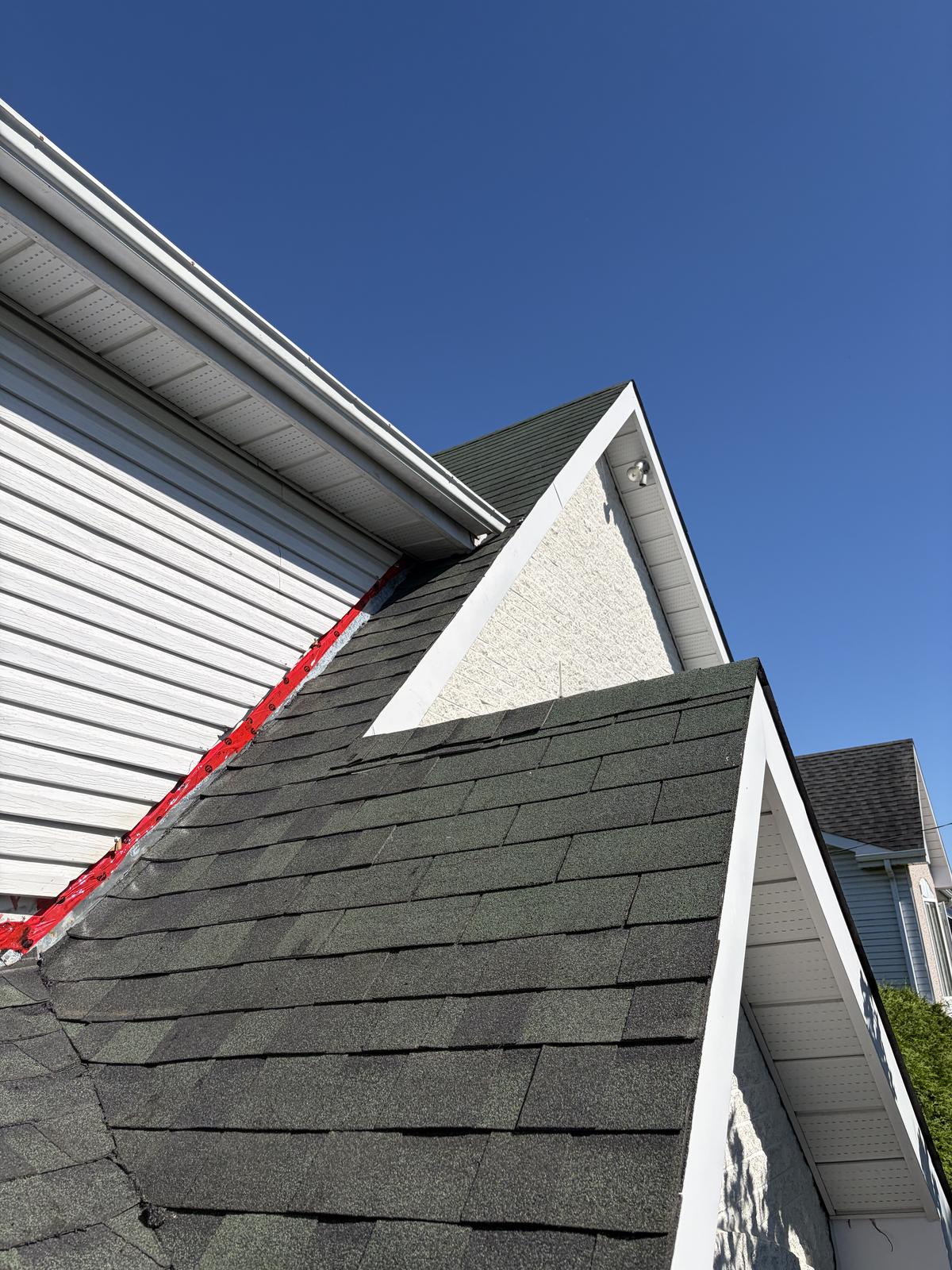
Asphalt Shingle Roof Repair in Mirabel, Roof Deck Replaced
6 November 2026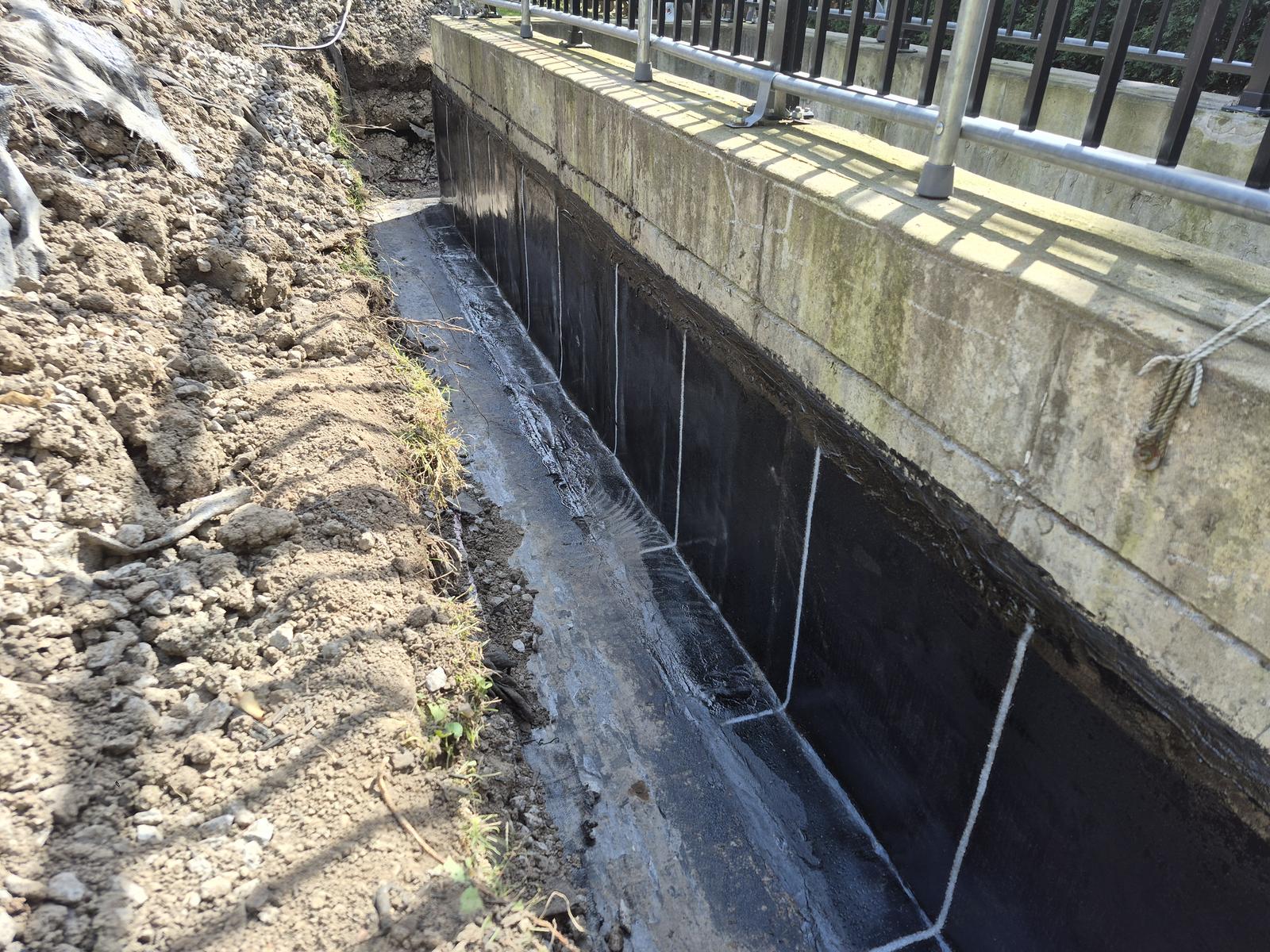
Waterproofing a Underground Garage Wall in Laval