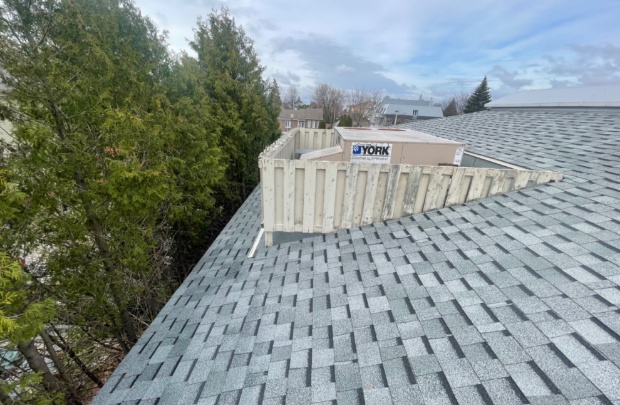
Quebec roofers regularly convert flat roofs into pitched roofs. But did you know that the opposite is also possible?
If you’re interested in converting your pitched roof into a flat roof, keep reading! Our roofers will go over the different benefits and risks of this transformation process.
You will also learn why it’s so important to enlist professionals for this kind of job.
Converting a pitched roof into a flat roof: a complicated process
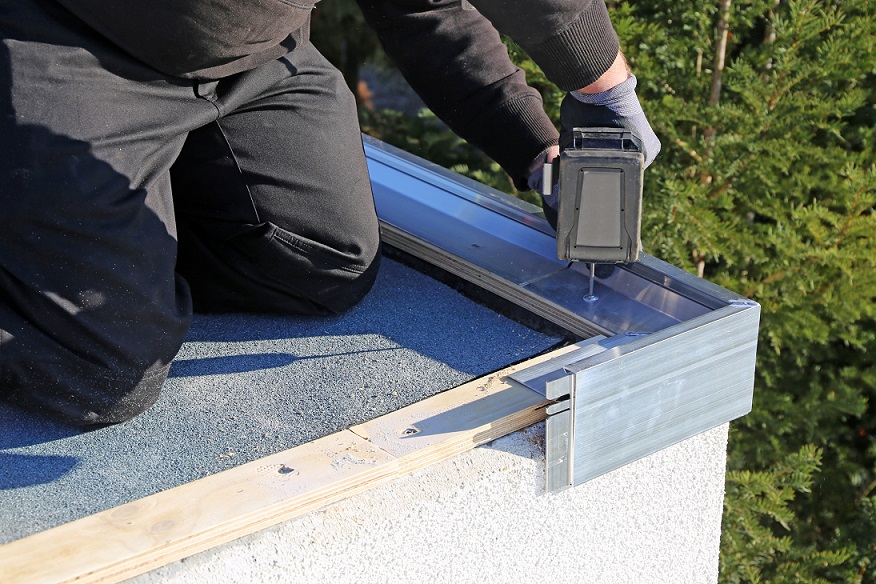
There are really only two ways to convert your pitched roof into a flat roof:
- Completely replace the structure
- Alter the existing structure if possible
Ideally, you would remove the entire roof structure and remodel it to build the flat roof. But there are many different things to keep in mind, including: building type, roof size, weather conditions, your budget and the type of membrane you want to install.
Flat roofs are quite different from pitched roofs and come with certain drawbacks, like:
- A higher price: Flat roofs generally cost more per square foot than conventional asphalt shingles.
- More upkeep: Flat roofs can cause structural problems. This is even more true for buildings located in regions where there is a lot of rain and snow, like Quebec. That’s you should have a professional inspect your flat roof at least twice a year, if not more regularly, to make sure you won’t have any major problems. Thankfully they are easier and less expensive to inspect than a pitched roof inspection because you can walk on them.
Converting a pitched roof to a flat roof: a project for the pros
Are you renovating your house and considering converting your pitched roof to a flat roof? There are several things to keep in mind.
First of all, think of the extra weight that a flat roof with a deck would add. The building structure must be sound enough to bear this load.
Flat roofs also need an efficient drainage system and a watertight roof membrane. Otherwise, your flat roof could be vulnerable to leaks.
If you dream of soaking up the sun’s rays from your very own roof deck, call a qualified roofing contractor who will work with a structural engineer to make your dream a reality.
4 advantages of converting a pitched roof to a flat roof
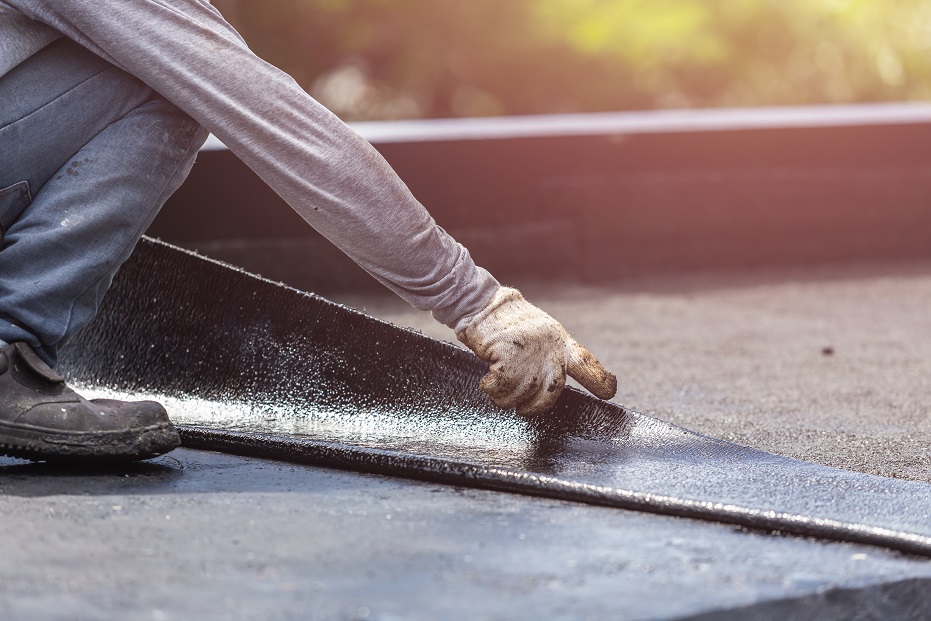
In Quebec, flat roofs are common on commercial and apartment buildings, especially in urban areas.
In recent decades, more and more single-family homes have been built with flat roofs thanks in part to the many advantages they have over pitched roofs, including:
- A unique aesthetic
- More living space on the roof
- More light inside your home
- A safer, more accessible roof
1. A unique aesthetic
A flat roof gives a building a distinctive look. Flat roofs on houses have the clean, modern aesthetic that many property owners prize. They make buildings look angular and solid without adding bulk.
The roof covering on a house with a pitched roof is clearly visible and is a part of the house’s design. Flat roof coverings, on the other hand, are often invisible from the street.
Converting a pitched roof to a flat roof will therefore dramatically change the house’s appearance.
2. More living space on the roof
A flat roof can provide inhabitants with more living space. For example, it may be possible to create a patio or green space on a flat roof, provided that its structure and decking are suitable.
A homeowner could take advantage of their flat roof conversion project to redesign the attic and the upstairs rooms. These are costly, major renovations, but they can create a lot more living space.
3. More light inside your home
A flat roof often creates more light inside the house. Flat roofs are perfect for installing skylights, which fill rooms with natural light.
When converting a pitched roof to a flat roof, it may be possible to replace the dormers with large windows to let in as much light as possible. Of course, this would require a major redesign of the upper levels.
4. A safer, more accessible roof
Maintenance and snow removal on a pitched roof can present safety hazards for those doing the work, especially if they do not have the right equipment or experience.
A flat roof also requires rigorous upkeep, especially to prevent snow build-up and water infiltration. On the other hand, the risk of falling off a flat roof is very low, especially if proper safety and prevention measures are taken.
Ready to enjoy the benefits of a flat roof? Contact Les Couvreurs Duro-Toit
In short: converting a pitched roof to a flat roof comes with many advantages.
Are you looking for a company that can handle major roofing work? Les Couvreurs Duro-Toit can get the job done safely and in compliance with building codes. As for the quality of our work, we come recommended by CAA Habitation and have been the consumers’ choice two years in a row.
Our specialists are prepared to tackle any and all of your project needs. Contact us for a quote!
More posts
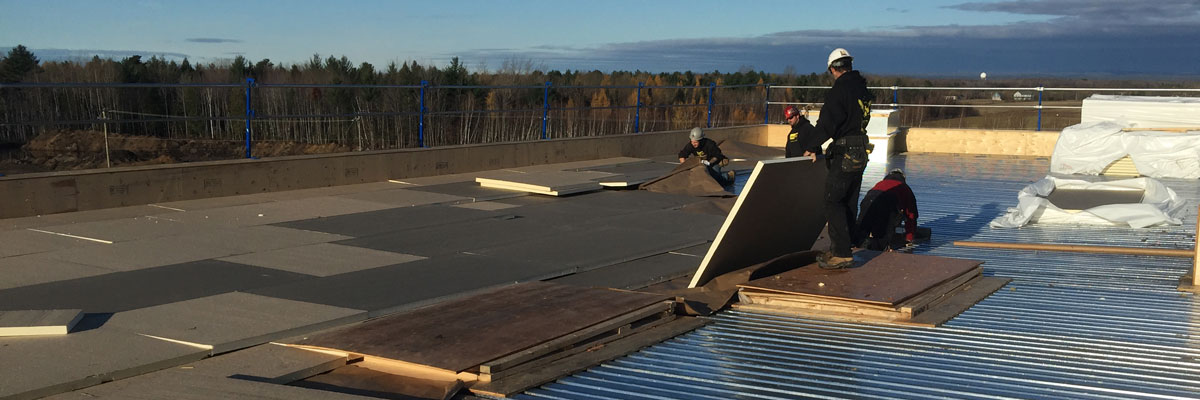
Guide to Flat Roof Construction in Quebec
8 April 2024
6 Tips to Extend the Life of Your Roof
21 March 2024